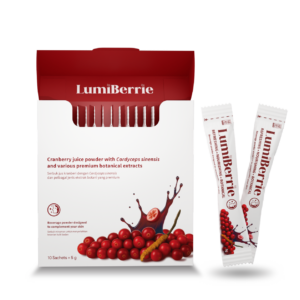

Sea buckthorn, a resilient shrub native to the mountainous regions of Europe and Asia, is gaining popularity worldwide for its impressive array of health benefits. Revered for centuries in traditional medicine, this vibrant orange berry is packed with nutrients and bioactive compounds that promote overall well-being.
Sea buckthorn’s origin can be traced back to ancient times, where it was valued for its medicinal properties in Tibetan and Chinese cultures. The berry’s name is derived from its ability to thrive in harsh coastal conditions, including salty soils and strong winds.
Rich in vitamins, minerals, antioxidants, and fatty acids, sea buckthorn offers a myriad of health benefits. It is particularly renowned for its high vitamin C content, which supports immune function and promotes skin health. Additionally, sea buckthorn is a rich source of vitamin E, which helps protect cells from oxidative damage, and vitamin A, which is essential for vision and immune health.
Moreover, sea buckthorn contains a unique combination of omega-3, -6, -7, and -9 fatty acids, which contribute to cardiovascular health, reduce inflammation, and promote healthy skin and hair.
Research also suggests that sea buckthorn possesses anti-inflammatory and antioxidant properties, making it a valuable ally in fighting chronic diseases and promoting overall wellness.
Incorporating sea buckthorn into your diet is easy and convenient. The berries can be consumed fresh, dried, or juiced, while sea buckthorn oil is a popular supplement known for its skin-nourishing and rejuvenating properties.
As interest in natural remedies continues to grow, sea buckthorn stands out as a nutritional powerhouse, offering a holistic approach to health and wellness. Embrace the benefits of this ancient superfruit and experience the transformative effects it can have on your vitality and well-being.
Source:
Yang, B., Kallio, H., & Ou, S. (2019). Sea Buckthorn: Description of its Nutritional and Medicinal Properties. Foods, 8(6), 177. doi: 10.3390/foods8060177